

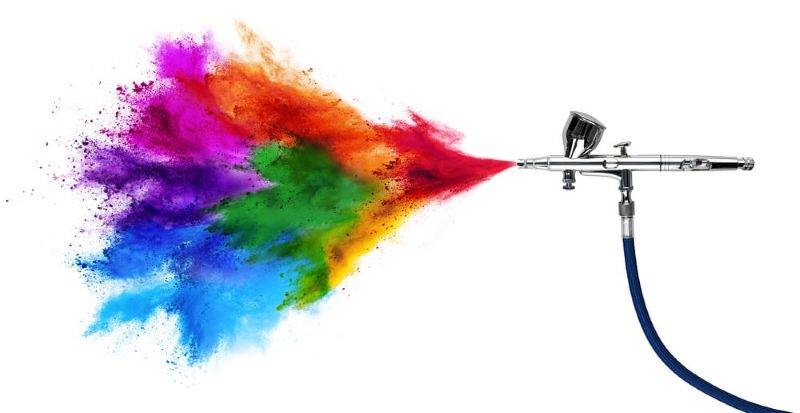
Airbrush masking techniques help artists control color, protect areas, and build clean shapes with less stress. Freehand is a common method attempted by many beginners, but when it comes to sharp edges, airbrush masking stencils and airbrush tape masking come into play. Airbrush detail methods can be combined with airbrush masking methods to achieve better results. Artists who master airbrush layered effects also experience enhanced depth and blending. Precision airbrushing becomes easier when masking is used the right way, because overspray stays where it should. Masking is not just blocking paint, it guides the eye and shapes the final design. Strong habits with airbrush masking techniques can turn a simple image into a professional looking piece without making the process too complex.
Airbrushing moves fast, and paint spreads wider than expected. Airbrush masking techniques act like barriers that protect finished sections while new layers get added. This control matters for murals, models, T-shirts, and automotive art.
Benefits artists notice include
Without masking, small mistakes build up fast. With masking, designs stay sharp even when many colors overlap.
Don’t Miss Out: Airbrushing Miniatures Guide for Painting Models with Airbrush
Airbrush masking stencils come in many forms, each serving a different need. Some are reusable plastic sheets, others are custom cut from film. Choosing the right one depends on surface and detail level.
These are ready to use shapes and textures. Flames, skulls, scales, and letters are common designs.
Advantages include
Artists will often create their own airbrush stencils using frisket film or masking sheets.
Why use custom stencils
Hand-cut stencils may take longer, but the effect will likely be more personal.
Airbrush tape masking is one of the most basic but powerful tools. Special low tack tapes stick well without damaging paint underneath. Curved tapes also help follow smooth shapes on helmets or car panels.
Steps that improve results
Airbrush masking techniques that use tape often create the cleanest stripes and borders. Removing tape slowly after paint dries reduces peeling problems, which sometimes happens if rushed.
Fine lines and small highlights depend on strong airbrush detail techniques. Masking supports these details by isolating tiny sections of a design.
Ways detail improves with masking
Artists often mask, spray a light layer, dry it, then remask for the next shade. This layering builds realism without muddy colors mixing together.
Flat color rarely feels alive. Airbrush layered effects add shadows, highlights, and mid tones that give artwork dimension. Airbrush masking techniques make layering safer because earlier work stays protected.
Layering usually follows this order
Each layer dries before the next begins. Rushing causes smudges and lifted paint, which is frustrating to fix later.
You Might Like This: Airbrush Paints Guide for Artists and Designers Expert Tips
Precision airbrushing depends on more than just skill. The right tools support steady, accurate results when using airbrush masking techniques.
Helpful tools include
Even small upgrades in tools make airbrush detail techniques easier to manage. Better control reduces mistakes, and that saves both time and materials.
Masking seems simple, yet small errors can ruin clean lines. Airbrush tape masking problems usually come from surface issues or rushing.
Mistakes to avoid
Airbrush masking techniques work best with patience. Light coats build safer than one thick coat, which may bleed under edges.
Different surfaces react differently to airbrush masking techniques. Fabric, metal, plastic, and paper all need slightly different handling.
Surface tips include
By matching the masking technique to the surface, airbrushed layering effects remain smooth and longer-lasting.
Skill improves through steady repetition. Short daily practice sessions help artists feel more confident using airbrush masking stencils and airbrush tape masking.
Simple practice ideas
These exercises strengthen precision airbrushing and make real projects feel less stressful later on.
Paint particles float in the air, even when working small. Safe habits protect both health and artwork.
Important reminders
Good cleanup keeps surfaces smooth for future airbrush masking techniques and prevents unwanted texture buildup.
Explore More Tips: Master Beginner Airbrush Techniques for Control & Precision
Airbrush masking techniques give artists control, cleaner shapes, and better depth in every project. When paired with airbrush detail techniques and careful airbrush layered effects, artwork gains sharp edges and smooth blends. Practice, patience, and the right tools help precision airbrushing feel easier and more natural over time for any skill level.
Airbrush masking techniques are used to mask areas where paint should not go so that artists can achieve clean edges, layered colors, and detailed work without overspray.
Yes, airbrush masking stencils assist beginners in airbrushing to gain confidence in their work as they learn airbrush detail techniques.
Low tack airbrush tape masking is safe when paint is fully dry, but pulling tape slowly helps avoid peeling.
Airbrush layered effects add shadows and highlights that create depth, making artwork look more realistic and visually interesting.
This content was created by AI